
Research
The Pandemic and Epidemic Threat Analytics Lab (PETAL) uses computational epidemiology to strengthen pandemic preparedness and outbreak response. Specifically, our work advances along two tightly linked fronts:
- Fundamental research integrates transmission modelling, viral phylodynamics and ecological data to illuminate how pathogens emerge, evolve, and spread through populations.
- Applied modeling then translates those insights into quantitative decision support for next-generation public health technologies. These include metagenomic surveillance networks, broad-spectrum countermeasures, and indoor air disinfection, all designed to help decision-makers determine when, where, and how emerging threats can be detected and contained.
Crucially, we do all of this in close partnership with public health agencies and researchers across Africa, the Americas, Europe, and Asia, thereby ensuring our tools and evidence have global reach and relevance.

Viral Epidemiology
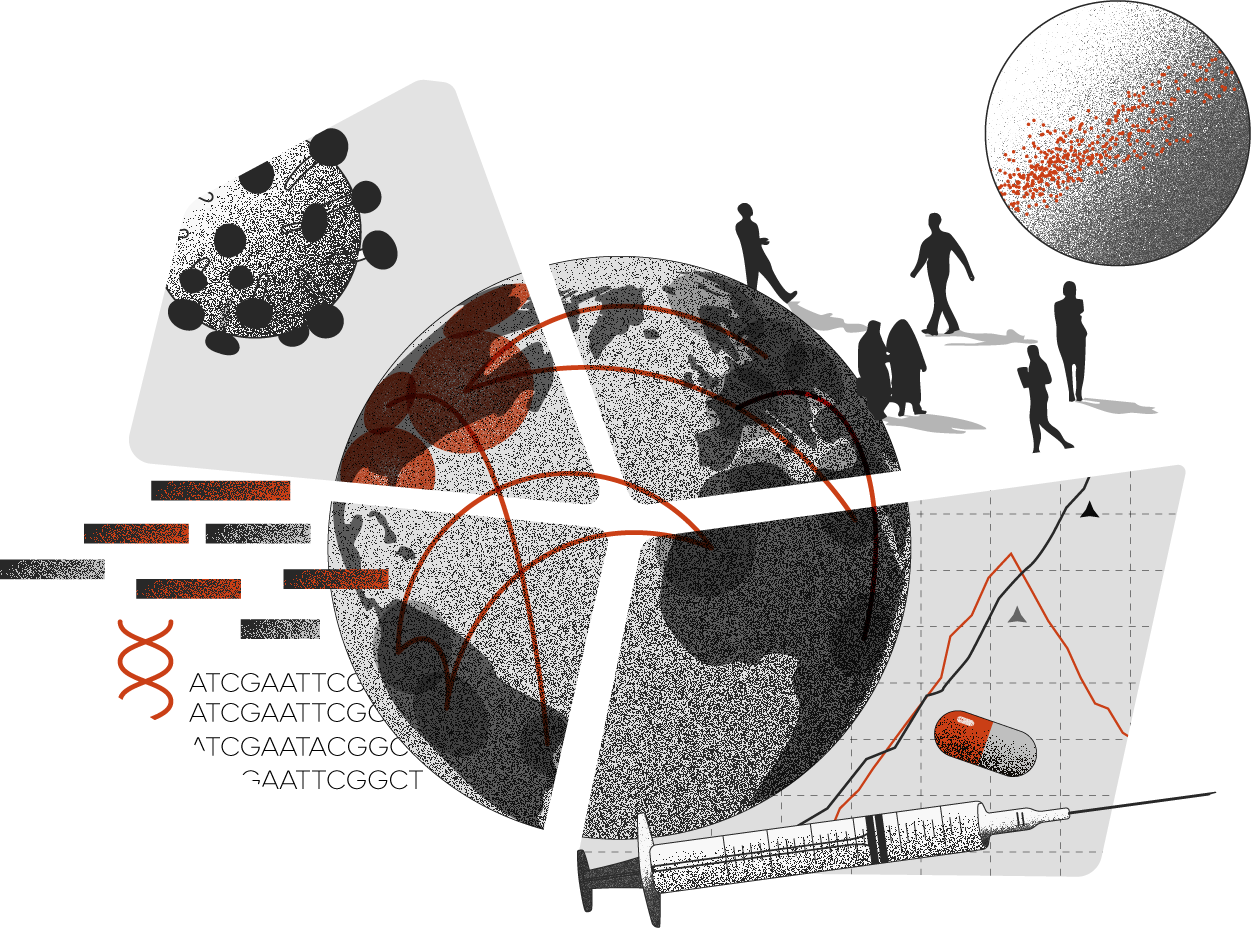
We integrate epidemiological, ecological and genomic data in mechanistic and phylodynamic modelling frameworks to better characterise the detectability, dynamics and control of a range of viruses with pandemic potential. By exploring patterns of viral evolution and spread through populations, we generate new insights that help support and shape evidence-based surveillance priorities and targeted intervention strategies.
Selected papers
Evolution and spillover dynamics of yellow fever at the forest–urban interface in Brazil
Spatial and temporal fluctuations in COVID-19 fatality rates in Brazilian hospitals
Genomics and epidemiology of the P.1 SARS-CoV-2 lineage in Manaus, Brazil
Pandemic Preparedness
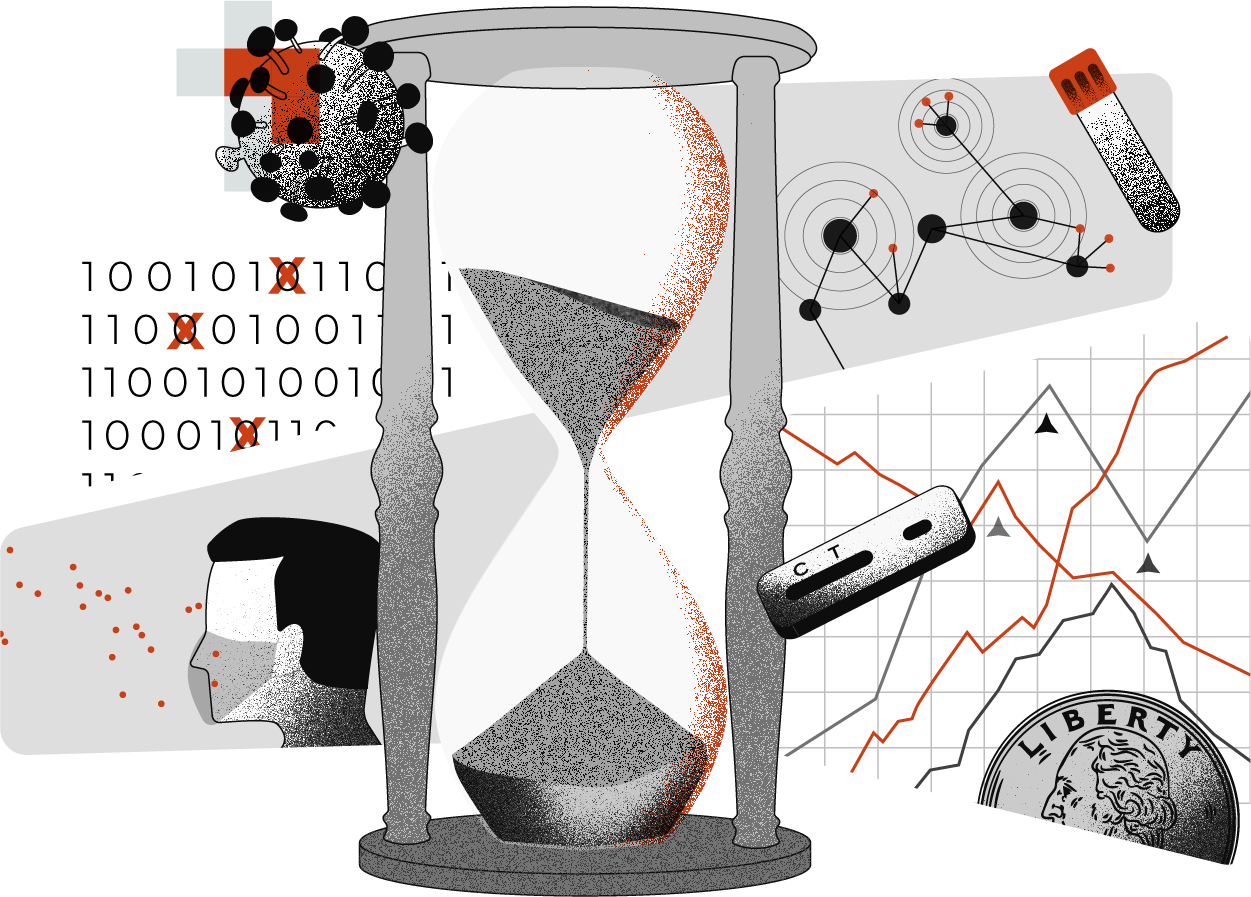
We develop epidemiological modelling frameworks to support the design, deployment and operationalisation of next-generation public-health technologies (such as metagenomic sequencing, broad-spectrum vaccines and antivirals, and far-UVC air disinfection) so that societies are better prepared and more resilient to future pandemics. By quantifying their impact and operational requirements, our work supports public-health decision makers to develop and allocate resources effectively, ahead of the next pandemic.
Selected papers
Enhanced testing can substantially improve defense against several types of respiratory virus pandemic
Inferring the sensitivity of wastewater metagenomic sequencing for early detection of viruses: a statistical modelling study
Quantifying the impact of a broadly protective sarbecovirus vaccine in a future SARS-X pandemic
Outbreak Response
We develop methods and analytics to support public-health policymakers making during crises and improve the quality and timeliness of information used in decision making during these emergencies. We also study how unequal access to healthcare resources (such as vaccines or ventilators) impedes our ability to effectively identify and control infectious disease outbreaks.
Selected papers
Evaluating the impact of antiviral post-exposure prophylaxis for health-care workers during orthoebolavirus outbreaks: a modelling study
Under-reporting of deaths limits our understanding of true burden of covid-19
The impact of COVID-19 and strategies for mitigation and suppression in low- and middle-income countries
PETAL is supported by