
Meet Our Team

Charles Whittaker, PhD
Assistant Professor & PI

Jacob Stapley, PhD
Postdoctoral Research Associate
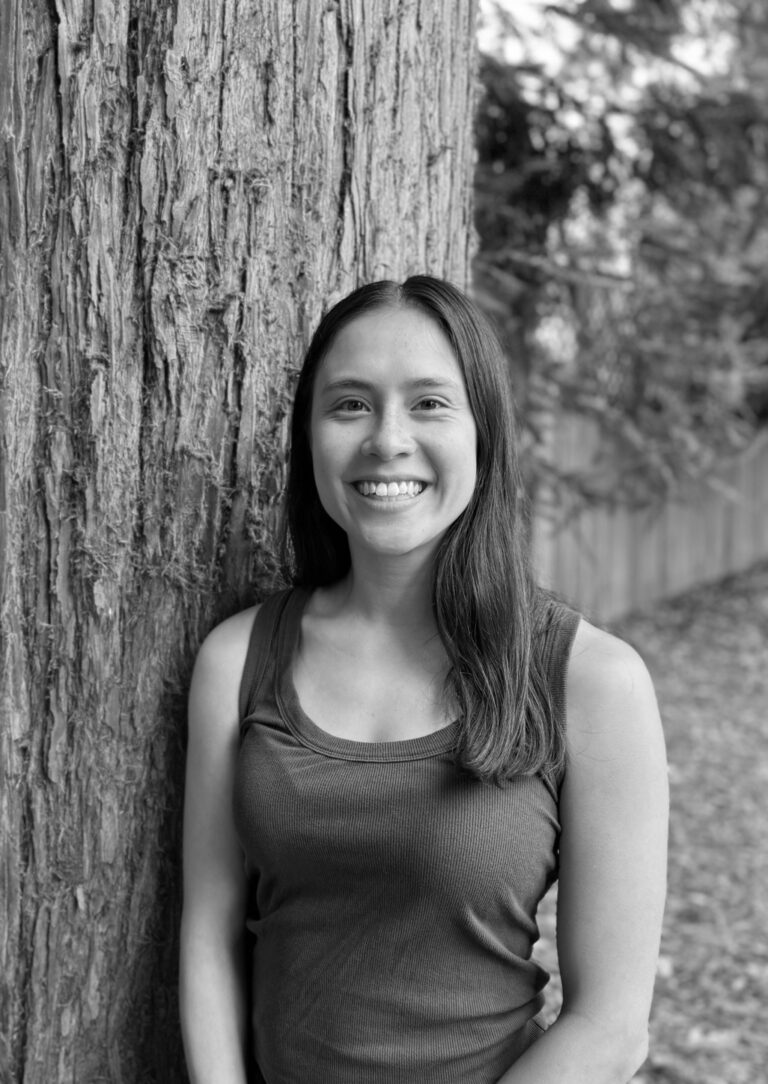
Elana Chan, PhD
Postdoctoral Research Associate
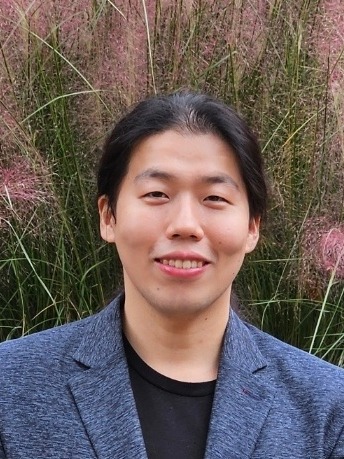
Youngsuk Ko, PhD
Postdoctoral Research Associate

Geetha Jeyapragasan, MSc
PhD Student
Computational Precision Health

Julian Palladino, MS
PhD Student
Epidemiology

Ciara M. Weets, MSc
PhD Student
Epidemiology

Tyler Bernard
PhD Student
Environmental Science, Policy & Management

Samuel Modée, MSc
Visiting Researcher
Want to join us?
PETAL is always looking for talented and curious scientists that share our mission. See our Join Us section for further details!

Dr. Charles Whittaker, PhD
Assistant Professor
Department of Infectious Diseases and Vaccinology
School of Public Health
University of California, Berkeley
Dr Charles Whittaker is an Assistant Professor of Infectious Diseases & Vaccinology at the University of California, Berkeley, where he directs the Pandemic and Epidemic Threat Analytics Lab (PETAL). His group integrates infectious-disease modelling, viral phylodynamics and machine learning to uncover new insights into how pathogens spread through populations and to enhance preparedness and response strategies for public-health emergencies. Before joining Berkeley, Charles was a Sir Henry Wellcome Research Fellow at the MRC Centre for Global Infectious Disease Analysis, Imperial College London, where he co-led a team providing global analytical support to countries around the world during the COVID-19 pandemic. He is also a field epidemiologist, and previously served with both the UK’s Public Health Rapid Support Team and the World Health Organization, the latter including deployment to the 2018–2020 North Kivu Ebola outbreak in the Democratic Republic of the Congo, where he provided real-time modelling support for field operations. His research is built on collaborative partnerships with public-health agencies and scientists across Africa, the Americas, Europe and Asia, and is regularly translated into decision-making tools that guide regional and international health policy.
Jacob Stapley, PhD
Postdoctoral Research Associate
Department of Infectious Diseases and Vaccinology
School of Public Health
University of California, Berkeley
Jacob is a postdoctoral scholar in the PETAL Lab at UC Berkeley, where he develops and applies infectious disease transmission models to assess the impact of public health interventions. His research contributes to pandemic preparedness and the elimination of diseases that disproportionately affect vulnerable populations around the world. He completed his PhD in infectious disease epidemiology at Imperial College London, where he used individual-based stochastic models to investigate the dynamics of onchocerciasis transmission and elimination in sub-Saharan Africa. This work included field collaboration with CDC in rural Ghana, and the coordination of a multi-country research network to consolidate unused datasets. Prior to his PhD, he earned Master’s degrees from the University of Warwick and Imperial College London, building a broad foundation in biomedical science and quantitative research. He also worked in the pharmaceutical industry, where he supported evidence-based claims for consumer healthcare products. Outside of research, he is an aviation enthusiast and avid traveller, having visited over 100 countries.
Geetha Jeyapragasan
PhD Student
Computational Precision Health Graduate Group
School of Public Health
University of California, Berkeley
Geetha Jeyapragasan is a PhD student in the Computational Precision Health program at UC Berkeley. Her research interests center around improving public health decision-making for pandemic preparedness and biosecurity, with particular interest in infectious disease modeling, health economic evaluation, and the governance of dual-use and emerging life sciences research. She is currently a Research Fellow at SecureBio, where she works on developing technical biosecurity evaluations to assess the risks of AI systems in biological applications to inform the responsible development and deployment, and previously worked with the Stanford Existential Risks Initiative (SERI) in the Bio Policy Lab on life sciences risk governance.
Geetha earned her M.Sc. from the MIT Media Lab, where her thesis was a quantitative risk-benefit assessment of pandemic virus identification research under the supervision of Dr. Kevin Esvelt in the Sculpting Evolution Group. She completed her Honours B.Sc. in Integrated Science with a concentration in Mathematics and Statistics at McMaster University. Her work aims to leverage computational approaches to strengthen pandemic surveillance systems and outbreak response strategies, particularly in resource-limited settings, and to inform evidence-based approaches to preventing and mitigating emerging biological threats.
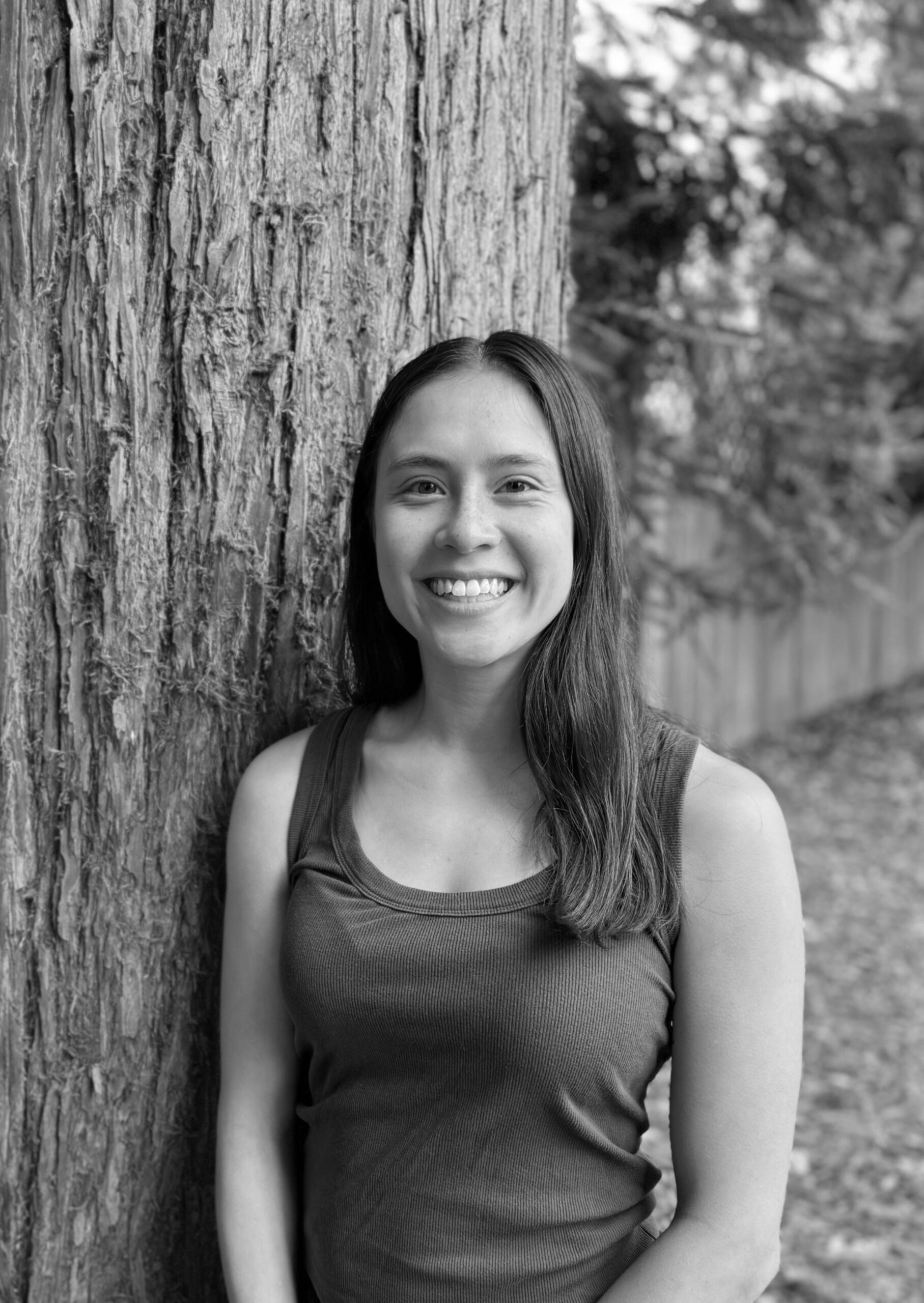
Elana Chan, PhD
Postdoctoral Research Associate
Department of Infectious Diseases and Vaccinology
School of Public Health
University of California, Berkeley
Elana is a postdoctoral scholar with PETAL at UC Berkeley. She is interested in understanding and advancing the use of wastewater monitoring for pandemic preparedness. In her research, she applies infectious disease models to wastewater monitoring and traditional surveillance data to assess the utility of wastewater monitoring for detecting emerging pathogens and tracking disease dynamics. Prior to joining PETAL, Elana earned her MS/PhD in Civil and Environmental Engineering from Stanford University and BS in Environmental Engineering and Community Health from Tufts University. Outside of research, Elana can be found outdoors (especially running), reading, or crafting.
Youngsuk Ko, PhD
Postdoctoral Research Associate
Department of Infectious Diseases and Vaccinology
School of Public Health
University of California, Berkeley
Youngsuk earned his Ph.D. in Mathematics from Konkuk University, Korea, in 2024. During his time in Korea, his research focused on mathematical modeling and analysis of infectious disease dynamics driven by human-to-human transmission, including COVID-19, Ebola, Mpox, and MERS. He subsequently conducted dengue-focused modeling research at the Yale School of Public Health, where his work emphasized the use of surveillance case data or seroprevalence data within mathematical modeling frameworks to infer transmission intensity and population immunity. Building on this foundation, he is now expanding his research agenda toward pandemic preparedness and the evaluation of medical countermeasures. The overarching goal of his research is to develop realistic pharmaceutical and non-pharmaceutical intervention strategies that are grounded in epidemiological evidence and responsive to public health decision-making contexts. Outside of his research, he’s a cat enthusiast and a rock guitarist (He released two single and one EP album). Once, he even dreamed of abandoning his Ph.D. to become a rock star like Brian May of Queen—but, thankfully, that dream remained just that.
Julian Palladino, MS
PhD Student
Department of Epidemiology
School of Public Health
University of California, Berkeley
Julian is a PhD student in the Epidemiology program at UC Berkeley. His research interests are in the epidemiological and economic impacts of infectious disease surveillance and control interventions. Using mathematical modeling and simulation, his work investigates the population health and economic value of such surveillance systems and interventions to support evidence-based, cost-effective public health decision making.
Julian earned an MS in Economics from Tufts University and a BA in Economics and Mathematics from Boston University. Prior to joining PETAL, he worked as an Economist in the Life Sciences practice at Data for Decisions, a Boston-based economics consulting firm, where he conducted health economic evaluations of novel point-of-care diagnostics for tuberculosis and curable STIs in low- and middle-income countries. He has also conducted research on the broad investment value of public spending on vaccination. Outside of research, Julian enjoys skiing, hiking, cooking, and spending time with his family.
Ciara M. Weets, MSc
PhD Student
Epidemiology
School of Public Health
University of California, Berkeley
Ciara Weets (she/her) is a PhD student in the Epidemiology program at UC Berkeley. Ciara’s research interests center around evaluating next generation public health interventions for endemic and emerging pathogen threats while accounting for the behavioral and social factors that influence real-world implementation and decision-making under uncertainty. She is broadly interested in integrating infectious disease modeling with insights from policy, economics, and the social sciences to better understand the incentives and behavioral patterns that shape disease risk and the feasibility of public health interventions.
Ciara completed her undergraduate studies at Georgetown University, earning a B.S. in Science, Technology, and International Affairs with a minor in Spanish Language and Literature, before completing her M.S. in Global Infectious Disease at Georgetown. Prior to beginning her Ph.D. at Berkeley, she worked as a Junior Scientist at Georgetown’s Center for Global Health Science and Security with Dr. Rebecca Katz, where she led research on a range of health security and infectious disease preparedness projects. She also collaborated with Dr. Colin Carlson at the Yale School of Public Health on research examining planetary change and disease emergence, and with Dr. Shweta Bansal at Georgetown on modeling how human behavior influences vaccine-preventable disease transmission. Outside of research, Ciara enjoys playing ice hockey, biking, running, solving crossword puzzles, reading, spending too much money on coffee, and listening to podcasts while walking her very cute dog.
Tyler Bernard
PhD Student
Environmental Science, Policy & Management
Rausser College of Natural Resources
University of California, Berkeley
Tyler Bernard is a PhD student in the Department of Environmental Science, Policy & Management with a Designated Emphasis in Computational Biology at UC Berkeley. His research interests center on the integration of ecological and public health science, with particular interest in microbial ecology, pandemic risk assessment, and models of zoonotic spillover.
Tyler also holds a year-round Graduate Researcher appointment at Sandia National Laboratories. Before coming to Berkeley, he earned his B.A. with Honors in Philosophy and Environmental Science, from Washington and Lee University, where he was a Udall and Fulbright Scholar and member of the varsity soccer team.
Samuel Modée, MSc
Visiting Researcher
Department of Infectious Diseases and Vaccinology
School of Public Health
University of California, Berkeley
Samuel Modée (he/him) is a visiting researcher at the UC Berkeley School of Public Health, where he works with Dr. Charlie Whittaker at the Pandemic and Epidemic Threat Analysis Lab (PETAL) as a MATS fellow. He is also a PhD candidate at the University of Bergen, Norway, where his doctoral research is on stochastic epidemic models. His work applies probabilistic modeling to biosecurity, with an emphasis on global catastrophic biological risks. At Berkeley, he studies how indoor air quality interventions, such as improved ventilation, filtration and germicidal UV, and personal protective equipment affect respiratory virus transmission at the population level, and at what cost. He also uses population-dynamic models to determine under what conditions mirror bacteria could establish and spread in natural environments. Samuel holds dual master’s degrees in mathematics and engineering physics from Stockholm University and KTH Royal Institute of Technology, and previously worked in nuclear probabilistic safety assessment. Outside of research, he is a climbing instructor who spends most of his free time in the mountains — on skis, on foot, or hanging by his fingertips — and enjoys learning languages.